Hey there, folks! Let’s cut to the chase—if you’re running or outfitting a mountain resort hotel, the loose furniture you pick isn’t just about filling empty rooms. It’s the stuff that makes a guest go, “Wait, this actually feels like the mountains, not a cookie-cutter city hotel, and I want to book again.” And as someone who’s been supplying hotel loose furniture for years, I’ve seen every mistake in the book: pieces that scratch too easy when a hiker’s heavy boots drag in, stuff that gets moldy in high mountain humidity, and designs that clash with a property’s vibe so hard guests take pics for meme pages. Hotel Loose Furniture
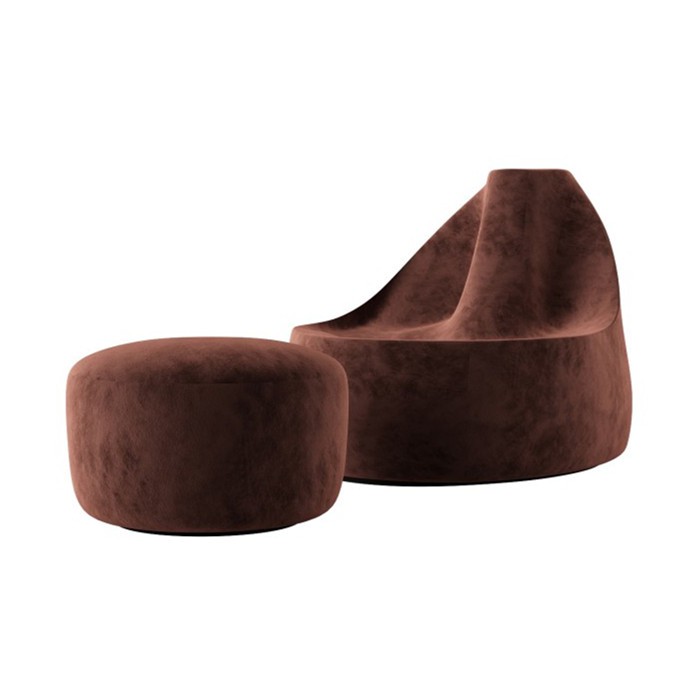
First off, let’s talk mountain-specific chaos that regular hotel furniture doesn’t account for. You’re in a spot where temps swing—like, 70 degrees at noon and 40 at night, with maybe a foot of snow outside in winter. Humidity’s tricky too: high elevation means drier air in some seasons, super moist when snow melts. That furniture you bought for the downtown boutique? It’ll crack in the dry air, or warp if you don’t pick the right materials. As a loose furniture supplier, I can’t stress this enough: skip the particle board. I know it’s cheap, but mountain humidity and temperature swings eat it alive. Go for solid hardwoods like oak or ash—they’re tough enough to handle a hiker’s backpack knocking into the nightstand, and they don’t warp half as bad as the cheap stuff. For outdoor pieces (if your resort has a patio for morning coffee), wait till later—indoor loose furniture is the focus here, but don’t sleep on weather-resistant finishes if you’re adding outdoor nooks.
Next, match the furniture to your resort’s actual mountain vibe. Not every mountain resort is the same—some are cozy log cabins in the Rockies, some are sleek alpine lodges in the Alps, some are quirky glamping-style spots in the Pacific Northwest. I’ve had clients come to me saying, “We want ‘mountainy,’ but not kitschy.” Kitsch is the fake moose head signs, plastic antlers glued to lamps, that stuff guests post once and forget. Instead, go for pieces that feel organic: a hand-hewn wooden coffee table that looks like it came from a local woodworker, not a big-box store. For guest rooms, think seating that’s comfy for post-hike naps—no tiny dining chairs that make someone with sore knees squirm. I always suggest modular sofas for mountain rooms, too. Why? If a family rolls up, you can rearrange the pieces to fit, or move one into a nook for a kid’s tent-like spot. It’s loose furniture, so it should be flexible—that’s the whole point of loose, not fixed built-ins.
Wait, let’s get real about guest needs post-hike. A day on the mountain means dirty boots, snow in socks, sweat on brows. Your furniture needs to handle that. Upholstery is a huge win here—skip the delicate silk or linen. Go for performance fabrics: stain-resistant, easy to wipe down, durable. I’ve had clients pick a microfiber that’s held up for 3 years straight even with muddy kids running through rooms. Leather’s great too, but not the cheap thin stuff—top-grain leather that repels moisture. If you have a lodge common area, big leather armchairs with wide seats? Perfect for someone to sink into with a hot cocoa. Don’t forget little details: the drawers in the nightstand should glide easy for someone fumbling with a hotel key while carrying a water bottle. The desk chair? No hard plastic—something with cushion that lets a guest type a quick email after a hike, not wince through it.
Now, cost vs. quality. I get it, every hotel has a budget. But cutting corners on loose furniture here bites back. I once worked with a small resort that tried to save $2k per room on particle board nightstands. Within 18 months, half had warped so bad the doors wouldn’t close. They spent more fixing and replacing than if they’d gone with solid oak from the start. The key is to pick pieces that last 5+ years, not 2. As a supplier, I can work with you to mix high-priority and mid-range. Like, solid wood main pieces, and durable performance fabric for upholstery—those are non-negotiable. Maybe a small accent piece can be a mid-range option, but never the big items that get the most use. Also, think about return on investment: good furniture makes guests stay longer, leave better reviews, and refer friends. A recent client of mine had a 20% higher repeat rate after we swapped their kitschy furniture for more organic, durable pieces. That’s way more than the extra cost upfront.
Another thing: space in mountain resort rooms. A lot of mountain properties have smaller guest rooms—they’re built with the land, not to be huge city suites. So your loose furniture can’t be bulky. Avoid giant, overstuffed sofas that make the room feel cramped. Instead, go for slim-profile seating, maybe a loveseat instead of a full sofa. Multi-functional pieces are chef’s kiss here: a storage ottoman at the foot of the bed to hold extra blankets or a hiker’s gear, a desk that folds out if a guest needs it but doesn’t take up space when they don’t. I love suggesting coffee tables with lift-tops too—perfect for putting a laptop on, or a tray of snacks while watching TV, without cluttering the room.
Oh, and sustainability. More and more mountain guests care about that—they came to the mountains to protect nature, so they notice if your furniture is green. As a loose furniture supplier, I only work with hardwoods that are FSC-certified—meaning they come from responsibly managed forests. Upholstery should be OEKO-TEX certified, no harmful chemicals. That’s a selling point you can put on your website: “Our rooms use FSC-certified wood furniture that’s kind to the mountains we love.” Guests will pay a little more for that, and it aligns with your resort’s brand. I had a client that leaned into this, and their average daily rate went up $15 just from adding that detail to their marketing.
Wait, let’s talk installation. Loose furniture is supposed to be, well, loose—easy to move, no permanent installation. That’s a big plus for resorts that might want to rearrange common areas for events, or swap out pieces if a guest damages one. Make sure the furniture you pick doesn’t require tools to move, or special installation. I make sure all my loose pieces are easy for housekeeping to rearrange—they’re the ones moving them every day, so if it’s a pain, they’ll hate it, and your maintenance costs will go up.
Now, common mistakes to avoid. First, don’t copy the big city hotels. Their sleek, glass-top tables and thin upholstery will look so out of place in a mountain setting. Second, don’t ignore local vibe. If your resort is in a place with a rich woodworking history, work with local artisans for custom loose pieces—guests love that personal touch. I’ve had clients that did this, and their reviews say things like, “That coffee table felt like a piece of the mountains, not something shipped in from China.” Third, don’t forget about accessibility. A lot of mountain guests might be older, or have mobility issues. Loose furniture should be easy to access—no high nightstands, chairs with wide seats and armrests for support. I make sure all my pieces meet ADA guidelines, so you don’t have to retrofit later.
So, to wrap this up: when choosing loose furniture for your mountain resort, start with durability that handles extreme temps and humidity, match it to your unique vibe (no kitsch!), prioritize guest needs post-hike, don’t skimp on long-term cost, pick space-saving and multi-functional pieces, lean into sustainability, and make sure it’s easy to move.

If you’re outfitting a new resort, or refreshing your existing furniture, I’m here to help. We can work with your budget, customize pieces to fit your mountain vibe, and make sure everything holds up to the chaos of mountain life. Hit me up to chat through your needs, no pressure, no hard sell.
General Upholstery Reference:
- Hotel Design and Construction Magazine, "Durable Furnishings for Seasonal Climates" (2022)
- Sustainable Hospitality Alliance, "Sustainable Furnishing Practices for Mountain Properties" (2023)
- Hospitality Insights, "Guest Preferences for Resort Furniture: 2024 Trends" (2024)
Jiamei Wood Co., Ltd.
As one of the most professional hotel loose furniture manufacturers and suppliers in China, we also support customized service. Please feel free to wholesale cheap hotel loose furniture for sale here from our factory. For price consultation, contact us.
Address: Room 1802, No. 2nd, Kexing Road, Baiyun District, Guangzhou, Guangdong Province, China
E-mail: sq@jiameiwood.com
WebSite: https://www.jiameiwood.com/
