As a supplier of bonded seals, I’ve witnessed firsthand the numerous applications and the crucial role these components play in various industries. Bonded seals are used in an extensive range of environments, from automotive engines to aerospace systems, and one environmental factor that can significantly impact their performance is UV radiation. In this blog, we’ll delve into the effects of UV radiation on bonded seals, exploring the scientific aspects and the implications for their usage. Bonded Seal
The Basics of Bonded Seals
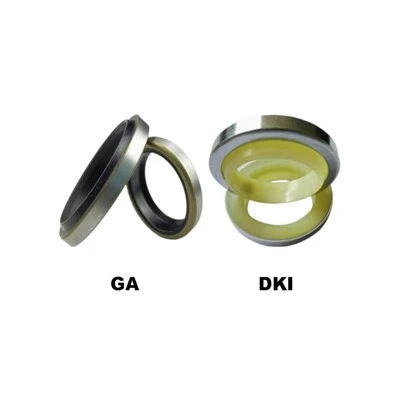
Before we jump into the effects of UV radiation, it’s essential to understand what bonded seals are. Bonded seals are composite seals made by bonding an elastomer (such as rubber) to a metal or plastic substrate. This combination provides the best of both worlds: the flexibility and sealing capabilities of the elastomer and the structural support of the substrate. They are designed to prevent the leakage of fluids or gases between two mating surfaces, ensuring efficient and safe operation of the equipment they are installed in.
Understanding UV Radiation
UV radiation is a form of electromagnetic radiation with wavelengths shorter than those of visible light but longer than X – rays. It is generally divided into three categories: UVA (315 – 400 nm), UVB (280 – 315 nm), and UVC (100 – 280 nm). Most UVC rays are absorbed by the Earth’s atmosphere, but UVA and UVB rays reach the surface and can have various effects on materials.
Degradation Mechanisms of Bonded Seals by UV Radiation
Oxidation
UV radiation can initiate oxidation reactions in the elastomer component of bonded seals. Oxygen in the air, when combined with the energy from UV rays, can break the chemical bonds in the elastomer. This leads to the formation of free radicals, which are highly reactive species. These free radicals react with other molecules in the elastomer, causing chain scission (breaking of the polymer chains) or cross – linking (formation of new bonds between polymer chains). Chain scission can lead to a decrease in the elastomer’s molecular weight, resulting in a loss of mechanical properties such as tensile strength and elongation at break. Cross – linking, on the other hand, can make the elastomer more rigid and brittle.
Photo – degradation
The elastomer can also undergo photo – degradation when exposed to UV radiation. This process involves the direct absorption of UV photons by the elastomer’s chemical bonds. Different types of elastomers have different absorption spectra, and the bonds that absorb UV radiation are often the ones that are crucial for the elastomer’s structure and properties. For example, in some elastomers, the double bonds in the polymer chains can absorb UV radiation, leading to bond cleavage and the formation of new chemical species. This can change the elastomer’s chemical composition and physical properties over time.
Surface Cracking
As the elastomer degrades due to UV exposure, surface cracking can occur. The oxidation and photo – degradation processes weaken the surface layer of the elastomer. When the seal is subjected to mechanical stresses, such as compression or stretching during normal operation, these weakened areas are more likely to crack. Surface cracks can compromise the sealing performance of the bonded seal, allowing fluids or gases to leak through.
Impact on Bonded Seal Properties
Mechanical Properties
The mechanical properties of bonded seals are significantly affected by UV radiation. As mentioned earlier, chain scission and cross – linking can change the elastomer’s tensile strength and elongation at break. A decrease in tensile strength means that the seal is more likely to break under stress, while a reduction in elongation at break makes the seal less flexible and more prone to cracking during installation or operation.
Sealing Performance
The primary function of bonded seals is to provide a reliable seal. The degradation caused by UV radiation can lead to a loss of sealing performance. Surface cracking, changes in the elastomer’s hardness, and a reduction in its ability to conform to the mating surfaces can all result in leakage. In applications where the leakage of fluids or gases can have serious consequences, such as in the aerospace or chemical industries, this can be a major concern.
Durability
UV – induced degradation also reduces the durability of bonded seals. In outdoor applications or environments where the seals are exposed to sunlight, the lifespan of the seals can be significantly shortened. This means that the seals need to be replaced more frequently, which increases maintenance costs and downtime for the equipment.
Mitigating the Effects of UV Radiation on Bonded Seals
Material Selection
One of the most effective ways to mitigate the effects of UV radiation is to choose the right elastomer material. Some elastomers are more resistant to UV degradation than others. For example, fluoroelastomers (FKM) have excellent UV resistance due to their strong carbon – fluorine bonds. These bonds are less likely to be broken by UV radiation compared to the carbon – carbon or carbon – hydrogen bonds in other elastomers.
Additives
Adding UV stabilizers or antioxidants to the elastomer formulation can also help protect against UV degradation. UV stabilizers work by absorbing or dissipating the UV energy, preventing it from reaching the polymer chains in the elastomer. Antioxidants react with the free radicals formed during oxidation, preventing them from causing further damage to the elastomer.
Coating
Applying a protective coating to the surface of the bonded seal can provide an additional layer of protection against UV radiation. Coatings can act as a barrier, preventing UV rays from reaching the elastomer. Some coatings also have anti – oxidation properties, further enhancing the seal’s resistance to UV degradation.
Implications for Different Industries
Automotive Industry
In the automotive industry, bonded seals are used in various applications, including engine seals, transmission seals, and door seals. Seals exposed to sunlight, such as door seals, are particularly vulnerable to UV radiation. The degradation of these seals can lead to issues such as water leakage, air infiltration, and noise problems. As a bonded seal supplier, we need to ensure that the seals we provide for automotive applications are resistant to UV radiation to meet the high – quality and long – lasting requirements of the industry.
Aerospace Industry
Aerospace applications demand the highest level of reliability and performance. Bonded seals used in aircraft engines, hydraulic systems, and fuel systems are exposed to harsh environmental conditions, including UV radiation at high altitudes. Any degradation of these seals can have catastrophic consequences. Therefore, we need to supply seals made from high – performance materials with excellent UV resistance to ensure the safety and efficiency of aerospace operations.
Marine Industry
In the marine industry, bonded seals are used in ships and offshore platforms. Seals are exposed to sunlight, saltwater, and high humidity, all of which can accelerate the degradation process. UV – resistant bonded seals are essential to prevent leakage of seawater, fuel, and lubricants, and to ensure the long – term operation of marine equipment.
Conclusion: Choosing the Right Bonded Seal for UV – Exposed Applications
As a bonded seal supplier, we understand the importance of providing seals that can withstand the effects of UV radiation. Our extensive range of products includes seals made from various elastomers, and we can customize the formulation with additives or apply protective coatings to enhance their UV resistance. Whether you are in the automotive, aerospace, marine, or any other industry, we can help you select the most suitable bonded seal for your specific application.
Rod/Piston Seal If you are looking for high – quality bonded seals that can resist UV radiation and other environmental factors, please feel free to contact us for further information and to discuss your procurement needs. We are committed to providing you with the best sealing solutions tailored to your requirements.
References
- Andrews, E. H. (1973). An Introduction to Polymer Physics. Cambridge University Press.
- Wypych, G. (2019). Handbook of Polymer Degradation. Elsevier.
- Zaikov, G. E., Shlyapnikov, E. N., & Kuznetsov, B. N. (2002). Photodegradation and Photo – oxidation of Polymers. CRC Press.
Hebei Jinwo Machinery Technology Co., Ltd.
Hebei Jinwo Machinery Technology Co., Ltd. is one of the most professional bonded seal manufacturers and suppliers in China, featured by quality products and good price. Welcome to buy bulk advanced bonded seal in stock here and get pricelist from our factory. We also accept customized orders.
Address: Room 2109, Tower A, Meidong International, No.16 Guang’an Avenue, Chang’an District, Shijiazhuang City, Hebei Province, China
E-mail: info@jinwoseal.com
WebSite: https://www.jinwoseal.com/
