If you’ve ever stood on an escalator on a sweltering humid summer day, you might’ve noticed something slightly off—maybe the handrail felt a little stickier than usual, or the steps didn’t glide as smoothly as they did a week earlier, when the air was dry and crisp. As a supplier of escalator parts, I’ve spent years working with maintenance teams, property managers, and escalator technicians across commercial, residential, and public transit spaces, and I can tell you that that sticky, off-beat sensation isn’t just a minor inconvenience. Humidity is one of the most underdiscussed yet impactful environmental factors affecting escalator components, and understanding its effects isn’t just about keeping machinery running—it’s about safety, longevity, and cost efficiency that matters to everyone from building owners to the people who use escalators every day. Escalator Parts

Let’s start with what humidity actually means for mechanical parts. Most people know it’s the amount of water vapor in the air, but few realize that it’s not just “wetness” that causes problems—it’s the balance between moisture and dryness that plays a key role. For escalators, which rely on moving parts, lubrication, and metal components that are precision-manufactured to tight tolerances, even a 10% shift in relative humidity (RH) can create ripple effects that lead to breakdowns, premature part wear, and even safety hazards. I’ve seen this firsthand: last year, a regional mall client came to me because their escalator’s chain drive system was locking up 3 times a week, right in the middle of their peak summer shopping season. After testing, we found the local RH had jumped to 78% that month—way above the ideal 40-60% RH range for most escalator components—and that was the root of the issue.
Let’s break down specific parts because every component reacts to humidity differently. First, let’s talk about lubrication systems. Escalator chains, gears, and bearings rely on specialized, viscosity-controlled lubricants to reduce friction between moving metal surfaces. When humidity is high, moisture in the air doesn’t just sit on the surface of these parts—it mixes with lubricants, breaking down their chemical structure. I’ve seen this happen with both open and enclosed lubrication systems: in open systems, water forms a thin layer on top of the lubricant, causing it to thin out and run off, leaving parts unprotected. In enclosed systems, moisture can condense inside the housing, leading to a milky, diluted lubricant that can’t create the protective film needed to prevent metal-on-metal contact. The result? Increased friction, excessive heat, and rapid wear on chains and bearings. That mall’s locking chain drive? The lubricant had water in it, so it couldn’t lubricate the chain links, which seized up during peak load times. We replaced their standard lubricants with moisture-resistant, synthetic-grade options and added small desiccant breathers to their gear housings, and the issue stopped within two weeks.
Next, metal components—including steel step tracks, balustrade frames, and chain links. Steel is prone to corrosion, and humidity is the primary catalyst for that. When RH is above 60%, moisture combines with oxygen in the air to form rust, a chemical reaction that eats away at metal surfaces over time. What many people don’t realize is that rust isn’t just an unsightly stain; it changes the dimensions of parts, throws off the precise fit of moving components, and creates sharp edges that can damage other parts. For escalator steps, which roll along metal tracks, even a small amount of surface rust can cause steps to wobble, creak, or misalign—something that maintenance technicians have to adjust every few weeks instead of every few months. I worked with a public transit agency last winter (yes, even cold climates have humidity issues—winter heating dries out indoor air, but outdoor humid air seeps into subway stations, leading to condensation on metal parts) that reported cracked step frames. When we inspected, we found rust had weakened the steel at the points where steps connect to the chain, causing stress fractures. Replacing the rusted step frames with galvanized steel parts—coated to resist corrosion—and installing dehumidifiers in their equipment rooms cut the crack rate by 80% within a year.
Then there are plastic and composite parts, which are used in escalator handrails, step treads, guide rollers, and various interior components. Humidity affects these materials in a different way: high moisture absorption can cause them to swell, warp, or degrade. Handrails are a perfect example. Modern escalator handrails are often made of rubber or composite materials; when humidity is high, these materials absorb moisture, leading to swelling that makes the handrail stick to its guide track. Not only does that make the handrail feel stiff or uneven, but it also puts extra strain on the handrail drive system, leading to premature wear on pulleys and motor components. I had a hotel client a couple of years back where guests kept complaining the handrail “got stuck” when they stepped on; a quick check confirmed the handrail had absorbed 12% more moisture than its designed tolerance, causing it to warp slightly. We recommended handrails with moisture-resistant additives and regular drying cycles for high-humidity areas like hotel lobbies with indoor pools, and the handrail issues disappeared. Low humidity is a problem too, by the way—while it doesn’t cause swelling, it makes many composites brittle, so they crack more easily during temperature swings. It’s a balance, not just “more humidity is bad.”
What about electrical components? Escalators have sensors, control boards, motors, and wiring that are often hidden in the equipment room or along the balustrade. Humidity is a silent threat here too. Excess moisture can seep into electrical connections, causing short circuits, corrosion on circuit board traces, and even motor failure. I’ve responded to emergency calls where an escalator stopped working mid-rush hour, and the cause was simple: condensation had built up on the motor’s internal wiring, causing a short. In dry climates, low humidity can create static electricity, which can damage sensitive control components over time. That’s why manufacturers design escalator electrical systems for specific RH ranges, and as a parts supplier, we work with clients to stock parts that are engineered to withstand both extremes, depending on their location.
Now, it’s not all doom and gloom. The good news is that these effects are predictable, and with the right parts and maintenance, they’re easy to mitigate. As a supplier, I don’t just sell you parts—I work with clients to identify humidity-related issues and provide solutions tailored to their space. For example, for spaces with consistently high humidity, I recommend galvanized steel step tracks and chain links, moisture-resistant lubricants with anti-corrosion additives, and plastic composite parts reinforced with moisture-blocking materials. For spaces with dramatic humidity swings (like outdoor escalators that face rain and dry heat), we supply weather-sealed bearings and lubricants that stay effective in both wet and dry conditions. I also often work with maintenance teams to schedule component inspections during seasons when humidity is highest—like summer in most regions, or monsoon season in tropical areas—so they can catch small issues before they turn into big, expensive breakdowns.
Let me share another example to put this in perspective. A few years ago, I worked with a large office building in Miami, where summer RH regularly hits 80%. Their escalator’s chain drive was wearing out 30% faster than the manufacturer’s expected lifespan. After running tests, we found that the high humidity was causing the chain’s pins to corrode, which increased friction and led to premature wear. We replaced their standard steel chain with a nickel-plated chain, which resists corrosion, and switched their lubricant to a heavy-duty, water-repellent formula. The chain’s lifespan jumped to match the manufacturer’s estimate, saving the building thousands of dollars in replacement costs and downtime. That’s the kind of practical, results-driven solution we focus on as a parts supplier—understanding the unique environmental challenges a space faces, and providing parts that perform, no matter the humidity.
It’s also important to note that ignoring humidity-related issues isn’t just about cost—it’s about safety. A misaligned step from a warped step frame, a seized handrail that can’t be gripped properly, or a faulty electrical connection from moisture buildup can all lead to accidents. As someone who’s worked in this industry for over a decade, I’ve seen how even a small humidity-related issue can escalate quickly if left unaddressed. That’s why we emphasize proactive measures, not just reactive part replacements.
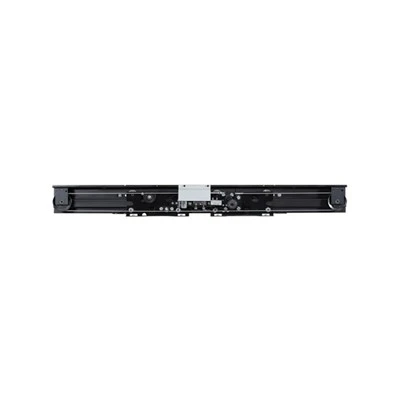
If you’re a building manager, maintenance technician, or facility owner reading this, and you’ve noticed escalator issues that seem to worsen during humid weather—sticky handrails, noisy chains, misaligned steps, or frequent breakdowns—chances are humidity is playing a role. Our team has decades of experience working with escalator parts across all climate zones, and we can help you assess your equipment, identify humidity-related wear, and source high-quality, parts designed to withstand your specific environmental conditions. Don’t wait for a major breakdown to address these issues—humidity’s effects add up over time, and investing in the right parts and preventive maintenance now will save you money, keep your escalators running safely, and extend the lifespan of your equipment for years to come. If you’d like to discuss your specific escalator needs, our team is here to help you find the right solutions tailored to your space and challenges.
Elevator Safety System References
- American Society of Mechanical Engineers (ASME). Safety Standard for Escalators and Moving Walks, ASME A17.1-2020.
- National Elevator Industry, Inc. (NEII). Environmental Effects on Elevator and Escalator Components, 2021.
- Society of Automotive Engineers (SAE). Lubrication Standards for Heavy-Duty Industrial Chains, SAE J300-2019.
- International Organization for Standardization (ISO). Corrosion Protection for Steel Components, ISO 12944-2:2017.
- Escalator Manufacturers Association (EMA). Composite Material Performance Specifications for Escalator Parts, 2022.
Huzhou Kenai Elevator Technology Co., Ltd.
As one of the most professional escalator parts manufacturers and suppliers in China, we also support custom service. We warmly welcome you to wholesale advanced escalator parts made in China here from our factory. For more cheap products, contact us now.
Address: No. 6666, Qianghua West Road, Dongqian Street, Nanxun District, Huzhou City, Zhejiang Province, China
E-mail: info@kenailift.com
WebSite: https://www.kenaielevator.com/
