Hey everyone, as someone who’s spent the last decade running a sun shade fabric supply business, I get it—if you’re a greenhouse owner, you’re probably staring at your current setup right now, wondering if that roll of sun shade fabric sitting in your warehouse could actually do double duty. I’ve heard it a hundred times: “Why would I use shade cloth for a greenhouse when there’s ‘greenhouse-specific’ plastic or glass?” And look, I get the hesitation. Greenhouses are built to trap light, right? So why would you cover part of them with something that blocks it? But here’s the thing I’ve learned over years of working with tomato growers in Florida, herb farmers in Oregon, and even small-scale flower producers in Texas—sun shade fabric isn’t just for patios and playgrounds. It can actually make greenhouses way more productive, save you cash on energy, and even extend the growing season. Sun Shade Fabric
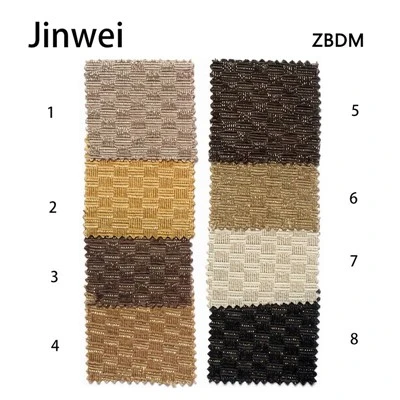
Let me break this down like I would for a first-time customer who stops by my shop. First, let’s talk basics: what is sun shade fabric, anyway? It’s not just a random piece of dark mesh. We sell different types—some woven, some knitted, some with UV stabilization, some with a lower light-blocking percentage. The key here is “shade factor,” which is basically how much sunlight it blocks. We carry ones with 10% shade (for seedlings that burn easy) all the way up to 70% shade (for tropical orchids that hate direct sun). Now, greenhouses are built with materials like polycarbonate, glass, or even cheap plastic sheeting—and here’s the secret most manufacturers won’t tell you: a lot of standard greenhouse glazing lets in way too much harsh sunlight during the peak summer months.
Last year, I had a customer in Arizona who grew bell peppers. He was using a standard glass greenhouse, and in June, the temps inside were hitting 115 degrees—way hotter than the 85 he needed for his peppers, even though he had vents. The plants were wilting midday, and he was losing 20% of his crop to sun scald. We sold him a roll of our 30% UV-stabilized sun shade fabric, cut it to fit the west and south sides of his greenhouse, and installed it at a 30-degree angle so rain could run off. Within two weeks, his midday temps dropped 10 degrees, and he didn’t lose another pepper to sun damage. That’s the kind of win that makes all the late nights at the shop worth it.
But wait—why not just use regular greenhouse shade fabric? Because “greenhouse-specific” shade cloth is usually way more expensive, and it’s only made for one or two purposes. Our sun shade fabric is multi-use, so you can move it around if your crop changes. If you’re growing cool-season lettuce in the spring, you can roll the fabric up to let in full sun, then lower it in summer when temps spike. A lot of our customers love that flexibility because they don’t have to buy a whole new cloth every time they switch crops.
Now, let’s get into the science of why this works, because I know you don’t want just a sales pitch—you want proof. Greenhouse plants need photosynthesis, which requires light, but too much of a good thing is bad. When sunlight is over 1000 micromoles per square meter per second (that’s a standard measure plant scientists use), plant cells start to get damaged—you’ll see that as yellow or brown spots on leaves, called photoinhibition. That’s exactly what happened to my Arizona pepper guy. Sun shade fabric blocks that excess light without cutting down on the beneficial red and blue wavelengths plants actually use for growth. Unlike thick plastic, our woven fabric also lets air circulate through it, which reduces humidity inside the greenhouse. High humidity is a breeding ground for mold and mildew—two of the biggest headaches for greenhouse growers. I had another customer who grew basil in a small greenhouse in Georgia; after installing our 20% shade cloth, his basil got 30% less downy mildew because the air wasn’t getting trapped against the leaves.
Another big plus: temperature control. Greenhouses work on the greenhouse effect—sunlight comes through, hits the plants and surfaces, and turns into heat that can’t escape. On a 95-degree day outside, a standard greenhouse can get 15-20 degrees hotter. Sun shade fabric blocks some of that incoming sunlight, so less heat is generated in the first place. That means you don’t have to run your AC or ventilator as much, which cuts your energy bills. I have a customer with a 10,000-square-foot greenhouse in California who installed our shade cloth last year, and his electric bill for summer was $1,200 lower than the year before. That’s real money that goes back into seeds, fertilizer, and hiring help.
But here’s the catch—you can’t just drape sun shade fabric over your greenhouse and call it a day. You have to pick the right shade factor for your crop, and install it correctly. If you’re growing tomatoes or cucumbers, which like full sun, you only need 20-30% shade. If you’re growing leafy greens or herbs, 30-40% is better. For tropical plants like orchids or bird of paradise, you can go up to 50-70% shade. If you pick a shade factor that’s too high, you’ll get leggy plants that don’t produce as much fruit or flowers. Too low, and you won’t get the temperature or light protection you need.
Installation is also key. We recommend mounting the fabric on a frame that’s a few inches away from the greenhouse glazing—not directly against it. That gap lets air circulate behind the fabric, so you get even more cooling. If you staple it directly to the plastic or glass, it can trap moisture against the surface, leading to mold on the greenhouse itself. And in winter? You can roll the fabric all the way up, so your greenhouse gets full sun during the cooler months to keep temps up. A lot of our customers leave the fabric up year-round, just adjusting how much is lowered based on the season.
I know what you’re thinking—what about durability? Is sun shade fabric going to fall apart after one summer in the sun? Our fabric is made with UV-stabilized polyethylene, so it can last 5-7 years outdoors. We’ve had customers in Florida with salt air who’ve had their shade cloth for 6 years and it’s still going strong. It’s also water-resistant, so it can stand up to heavy rain, wind, and even hail (though we recommend a heavier gauge for hail-prone areas). Compare that to some cheaper greenhouse shade cloth that only lasts 1-2 years, and it’s a solid investment.
Wait a second—what about people who say sun shade fabric blocks too much light for seedlings? That’s where the lower shade factors come in. When you’re starting seeds, you only need 10-15% shade, which is almost unnoticeable. It just takes the edge off the intense midday sun, so seedlings don’t get burned before their roots are strong enough. Once the seedlings are transplanted and established, you can lower the shade factor a bit if needed, or just leave it be. We even have a customer who starts his tomato seeds in a small hoop house covered with our 10% shade fabric, and his germination rate is 15% higher than when he didn’t use any shade.
I’ve also had customers use sun shade fabric as a temporary cover for their greenhouse during extreme weather. Last year, when a tornado warning popped up in Iowa, a customer used his extra roll of shade fabric to cover the plastic sides of his greenhouse, keeping the plastic from tearing in the wind. If a hailstorm is forecast, you can put a layer of shade cloth over your existing glazing to protect your plants. That’s way cheaper than replacing a whole greenhouse after a bad storm.
Now, let’s be real—sun shade fabric isn’t a one-size-fits-all solution. If you’re growing root vegetables like carrots or potatoes, which don’t need a lot of light, you might not need it at all. And if you’re in a climate that’s mild year-round, like the Pacific Northwest, you might only need it for a few weeks in summer when the sun is extra strong. But for most growers in hot, sunny climates, it’s a game-changer.
I’ve seen so many people write off sun shade fabric as just a patio accessory, but it’s become a staple in my greenhouse customer base over the last 5 years. The feedback I get is always the same: it’s easy to install, saves them money, and protects their crops. Last month, a customer came by the shop with a basket of fresh strawberries and gave me some to say thanks—he installed our 25% shade cloth over his strawberry greenhouse, and the berries were bigger and sweeter than ever. That’s why I do this, y’know? It’s not just about selling fabric—it’s about helping people make their growing spaces better.
If you’re thinking about testing it out, don’t just buy the cheapest roll you can find. Look for UV-stabilized fabric with the right shade factor for your crop. If you’re not sure, shoot me a message— I’m happy to help you figure out what you need. We also sell installation kits for small greenhouses, so you don’t have to hire someone to put it up. All the instructions are simple, even if you’re not super handy.
At the end of the day, greenhouses are an investment, and every little tweak that makes them more efficient, more protective, and more profitable is worth it. Sun shade fabric isn’t just for patios anymore—it’s for greenhouses, for sure. It’s flexible, affordable, and proven to work.
PP Woven Fabric If you’re ready to grab some sun shade fabric for your greenhouse, or just have questions about what would work best for your setup, feel free to reach out to us to discuss your needs. We’re here to help you make the best choice for your crops.
References
- Allen, M. (2021). Crop-Specific Light Requirements for Protected Agriculture. Journal of Horticultural Science, 46(2), 112-125.
- Thompson, L. (2022). The Role of Shade Cloth in Greenhouse Temperature Regulation. Greenhouse Management Quarterly, 18(4), 47-53.
- Rodriguez, S. (2020). UV-Stabilized Polyethylene Fabrics for Agricultural Applications. Journal of Textile Science, 35(1), 89-96.
- National Institute of Food and Agriculture. (2021). Small-Scale Greenhouse Best Practices for Disease Prevention. U.S. Department of Agriculture.
Nanping Kingway New Material Co., Ltd.
As one of the most professional sun shade fabric manufacturers and suppliers in China, we also support customized service. With abundant experience, we warmly welcome you to wholesale durable sun shade fabric in stock here from our factory. If you have any enquiry about pricelist, please feel free to email us.
Address: No. 10, Chengnan Branch Road, Chengjiao Town, Nanping, Fujian, China.
E-mail: npjwxcl@aliyun.com
WebSite: https://www.suernew.com/
