Hey folks, let’s cut to the chase—if you’re running a textile production floor, your machines aren’t just metal boxes that stich, weave, or spin fabric. They’re your bread and butter. I’ve been in the textile machinery game for 12 years, talking to floor managers, maintenance techs, and small business owners who’ve shelled out top dollar for a loom, spinning frame, or knitting machine only to see it die 5 years early because of lazy maintenance. Today, I’m pulling back the curtain on what actually works to keep these workhorses running for 15, 20, even 25 years (yes, I’ve seen it happen) instead of just 7–8. Let’s dive in, no fancy jargon, just real stuff I’ve tested and seen other teams nail. Textile Machinery
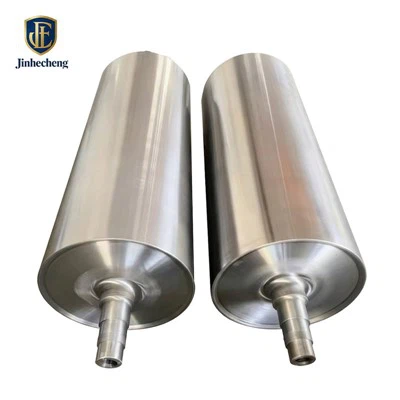
First off, let’s get one thing straight: most of you skip the small daily checks because you’re swamped with orders, right? I get it—deadlines are non-negotiable, but here’s the truth: a 2-minute daily check saves you 8 hours of downtime fixing a jammed part next week. Last year, a regular customer of mine, a small textile workshop in North Carolina, used to skip checking the tension rollers on their circular knitting machines. They’d wait till the rollers got so gummed up with lint that they’d cause fabric snags, and then they’d have to shut down 2 machines for half a day. Once they started doing the daily 30-second check: wipe the rollers with a lint-free rag and a tiny bit of food-grade silicone spray (not WD-40—WD-40 attracts lint like crazy), their downtime from fabric defects dropped by 60% in 2 months. That’s the kind of win you can’t ignore.
Wait, hold up—speaking of lubrication, this is where 90% of people mess up. They either over-lube or under-lube, and both kill machines fast. I’ve talked to mechanics who think more grease = less wear, but no—too much grease traps lint, dust, and textile fibers in the bearings, turning that smooth part into a sandpaper grinder. Under-lube, and bearings seize up in weeks. So here’s the rule I give every client: follow the exact lubrication schedule that comes with your machine (no, you don’t need to “adapt” it—our engineers built that schedule based on real running time for cotton, polyester, and blended fabrics), and make sure you use the right type of lubricant. For high-speed parts, use synthetic grease (it lasts longer, doesn’t break down under heat) and for slower, heavier parts like loom beams, use a heavy-duty lithium-based grease. And one more thing: every 6 months, do a “grease flush” on your key bearings. Wipe out all the old gunked-up grease, clean the bearing with a solvent (just make sure it’s safe for metal parts—nothing too acidic), then add fresh grease. I know it’s an extra 30 minutes every 6 months, but it’s way cheaper than replacing a $1,500 bearing every quarter.
Next, let’s talk about that stuff that gets everywhere on textile floors: lint. Guys, lint is the #1 silent killer of textile machinery. It’s tiny, it’s everywhere, and it gets into every nook and cranny—electrical connections, bearing housings, sensor ports. Last year, I had a client with a brand-new air-jet loom that kept throwing error codes for no reason. We opened up the control panel and found a clump of lint so big it was shorting out the wiring. They’d been wiping the outside, but never the inside of the enclosures. So here’s your rule for lint: do a deep clean every week, and a quick spot clean every day. For the deep clean: turn the machine off, unplug it (safety first—don’t skip that!), remove all the loose lint from the top, sides, and especially around the parts that touch the fabric (needles, rollers, guides). For the inside of control panels and motor housings, use a low-pressure air compressor (max 30 PSI—high pressure will blow out seals) or a soft brush, never a vacuum cleaner—vacuums can create static that fries electronics. And if you have sensors (super common on modern knitting and weaving machines), those tiny optical sensors get blinded by lint. Wipe them with a lens cloth (the kind you use for your glasses) every two weeks—no paper towels, they scratch the lens. I’ve seen old machines run perfectly for 20 years just because their teams stayed on top of lint, while new machines died in 5 because they ignored it.
Then there’s the little things that people overlook during scheduled maintenance: alignment. You know when your machine is weaving fabric that’s slightly off-gauge, or the needles are skipping stitches? That’s almost always misalignment of parts like the drive shafts or the take-up rollers. I’ve had a customer who was making premium denim, and their fabric had a weird “wavy” edge that they couldn’t fix, no matter how much they adjusted tension. We did a quick alignment check with a laser level (we lend them to our regular clients for free, by the way) and found the main drive shaft was off by just 0.02 degrees. That’s tiny, but it was enough to throw everything off. Alignments don’t need to be done every month—once every 6 months for high-speed machines, once a year for slower ones is enough. But if you move your machine to a new spot (like rearranging your floor), do an alignment right away—even a 1-inch shift can mess up everything.
Now, let’s address the elephant in the room: when should you replace parts instead of fixing them? A lot of techs will try to patch a worn part to save a buck, but that can kill the whole machine. For example, if your loom’s shuttle race is worn down, patching it with a weld might work for a week, but then it will cause more wear on the shuttle, which will damage other parts, and before you know it, you’re replacing three parts instead of one. My rule: if a part has more than 10% wear (you can check with a caliper—most new techs have one), replace it. And always use genuine parts, not cheap knockoffs. I see knockoff bearings all the time—they’re made with cheaper metal, they don’t fit right, and they break in half the time. Yeah, genuine parts cost a little more upfront, but they save you so much downtime and replacement costs long-term. Last year, a client tried a $20 knockoff bearing instead of our $60 genuine one, and it broke after 2 weeks, making their $100,000 loom shut down for 3 days. That’s $5,000 in lost production—way more than the difference in part cost.
Wait, what about training your team? A lot of maintenance mistakes aren’t because the techs are lazy—they’re because they don’t know the right way to work on these machines. I’ve had a client tell me their new hire was tightening a bolt too hard on a knitting machine, and it cracked the frame. That’s a $2,000 repair, all because of bad training. So here’s my thing: make sure every person working on your machines has hands-on training, not just a manual. We offer free monthly training sessions for all our clients—they can come to our shop, we’ll walk them through maintenance, troubleshooting, even how to spot small issues before they become big ones. And if you can’t make it to our sessions, send a tech to a local textile maintenance workshop. A $500 training course will save you thousands in repairs.
Oh, and one more thing: keep a maintenance log. I know, logs feel like extra paperwork, but they’re a goldmine. If you write down every time you did maintenance, every part you replaced, every error code the machine threw, you can spot patterns. Like, if every March, your spinning frame’s bearings start seizing, that means your lubricant is breaking down because of the cold air in your floor (fix that with a space heater near the frame, or switch to a synthetic lubricant that works in cold temps). Or if your knitting machine’s tension rollers get gummed up every time you use a new type of polyester fabric, that means you need a different cleaning schedule for that fabric. Last year, a small client’s log showed that their loom’s sensor was failing every time they ran 100% cotton fabric—turns out the cotton lint was more abrasive, so we recommended a lint guard upgrade, and the problem went away. No guesswork, just data from a simple log.
Let’s recap the stuff that actually moves the needle, no fluff: daily 2-minute lint spot clean and tension roller check, follow the exact lubrication schedule with the right lubes, deep clean every week with safety in mind, align every 6 months (or after moving), replace worn parts with genuine ones, train your team, and keep that maintenance log. I’ve seen machines that are 25 years old still running strong because their teams stuck to these steps—machines that were built to last, not to be disposable.
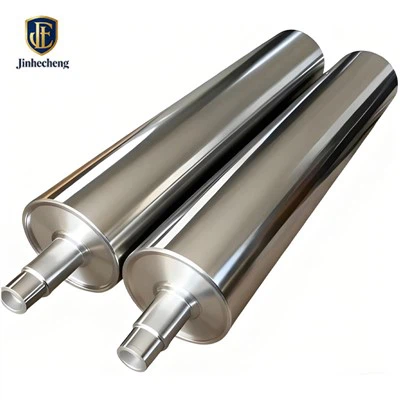
Now, if you’re someone who’s got a machine that’s been giving you trouble, or you’re looking to upgrade to a new textile machine and want to make sure it lasts, hit us up for a chat. We don’t do pushy sales—we’ll ask you about your production needs, the fabrics you run, your floor space, and give you honest advice on what will work best for you, plus maintenance tips tailored to your setup. No pressure, just real help for textile folks like us.
Stainless Steel Roller References:
- Textile Machinery Maintenance Best Practices, National Textile Association, 2022
- Lubrication Guidelines for Industrial Textile Equipment, ASTM International, 2021
- Lint Contamination Effects on Textile Machine Components, Journal of Textile Engineering, 2020
- Preventive Maintenance Schedules for Extended Machinery Lifespan, International Fiber Journal, 2023
Qingdao Jinhecheng Machinery Co., Ltd.
Address: Aishan Industrial Park, Yanghe Town, Jiaozhou, Qingdao City, Shandong Province
E-mail: alice@jhcroller.com
WebSite: https://www.jhcroller.com/
