When it comes to the agricultural sector, particularly in livestock and poultry farming, feed quality is of paramount importance. High – quality feed not only ensures the healthy growth of animals but also contributes to the overall productivity of the farm. One crucial aspect of feed production is the mixing process. Feed mixing equipment plays a vital role in creating a homogeneous blend of various feed ingredients, such as grains, proteins, vitamins, and minerals. As a leading feed mixing equipment supplier, I’ve had the privilege of being involved in the industry for many years, and I’ll share insights about the capacity ranges of common feed mixing equipment. Feed Mixing Equipment
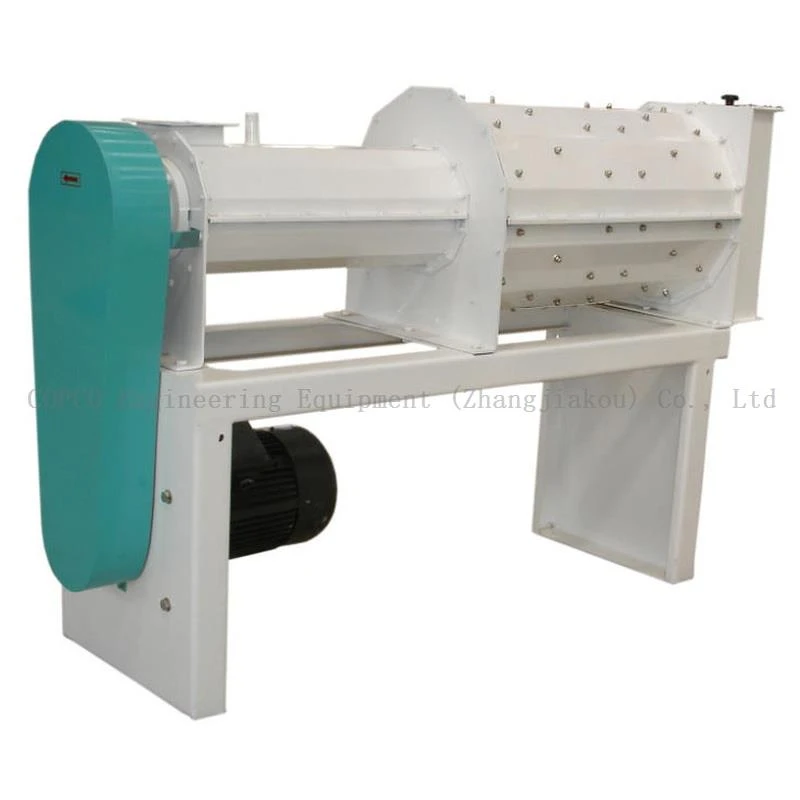
Batch Mixers
Batch mixers are among the most common types of feed mixing equipment. They operate by mixing a pre – determined quantity, or batch, of feed ingredients at a time. This type of mixer is highly versatile and suitable for small to medium – sized farms or feed mills.
The smallest batch mixers typically have a capacity ranging from 100 to 500 liters. These compact machines are ideal for small – scale farms or experimental purposes. They allow farmers to mix small batches of feed, which can be tailored to the specific needs of different animal groups. For example, a small poultry farm might use a 100 – liter batch mixer to create feed with the appropriate protein and vitamin levels for chicks at different growth stages.
Moving up in capacity, medium – sized batch mixers usually have a volume of 500 to 2,000 liters. These mixers are a popular choice for medium – sized feed mills and larger farms. They can handle larger quantities of feed ingredients, reducing the number of batches needed for production. This not only improves efficiency but also saves time. A medium – sized dairy farm, for instance, can use a 1500 – liter batch mixer to prepare a balanced feed for its cows, ensuring they receive all the necessary nutrients for optimal milk production.
Larger batch mixers can have capacities exceeding 2,000 liters. These heavy – duty machines are commonly found in commercial feed mills that serve large – scale farms or supply feed to multiple farms in a region. The high capacity allows for mass production of feed, which is cost – effective in the long run. For example, a feed mill catering to large – scale swine farms might use a 3000 – liter batch mixer to meet the high demand for pig feed.
Continuous Mixers
Continuous mixers, on the other hand, are designed to mix feed ingredients continuously without interruption. They are often used in high – volume feed production facilities where a constant supply of feed is required.
The capacity of continuous mixers can vary significantly. Small – scale continuous mixers may have a capacity to process feed at a rate of 1 to 5 tons per hour. These are suitable for smaller commercial feed operations or farms that have a relatively stable but moderate demand for feed. For example, a small – scale fish farm might use a 2 – ton – per – hour continuous mixer to produce fish feed on a regular basis.
Medium – sized continuous mixers can process feed at a rate of 5 to 20 tons per hour. These mixers are commonly used in medium – sized feed mills that supply feed to a wide range of farms in a local area. They offer a good balance between production capacity and cost. A medium – sized feed mill serving both poultry and cattle farms might use a 10 – ton – per – hour continuous mixer to meet the diverse needs of its customers.
Large continuous mixers are capable of processing feed at rates exceeding 20 tons per hour. These are typically installed in large – scale commercial feed mills that have a national or even international market reach. For example, a major feed manufacturer that supplies feed to large – scale livestock and poultry farms across the country might use a 50 – ton – per – hour continuous mixer to keep up with the high demand.
Vertical Mixers
Vertical mixers are another type of feed mixing equipment. They are known for their simple design and ease of use.
Small vertical mixers usually have a capacity of 200 to 1000 liters. They are often used on small farms or in situations where space is limited. A small sheep farm, for example, might use a 500 – liter vertical mixer to mix feed for its flock.
Medium – sized vertical mixers can have a capacity ranging from 1000 to 3000 liters. These mixers are suitable for medium – sized farms that need to produce a sufficient amount of feed on a regular basis. A medium – sized horse farm might use a 2000 – liter vertical mixer to ensure its horses receive a well – mixed diet.
Larger vertical mixers can have capacities over 3000 liters. These are typically found in large feed processing facilities where large – scale feed production is required.
Factors Affecting the Choice of Capacity
When choosing the appropriate capacity of feed mixing equipment, several factors need to be considered.
First, the size of the farm or the scale of the feed mill is a crucial factor. Smaller farms generally do not require large – capacity mixers, as they have a limited number of animals to feed. On the other hand, large – scale commercial feed mills need high – capacity equipment to meet the market demand.
Second, the frequency of feed production also matters. If feed needs to be produced on a daily basis in large quantities, a continuous mixer with a high capacity might be a better choice. If the demand is more sporadic or in small amounts, a batch mixer could be more suitable.
Third, the budget is an important consideration. Higher – capacity equipment usually comes with a higher price tag. Farms and feed mills need to balance their production requirements with their financial capabilities.
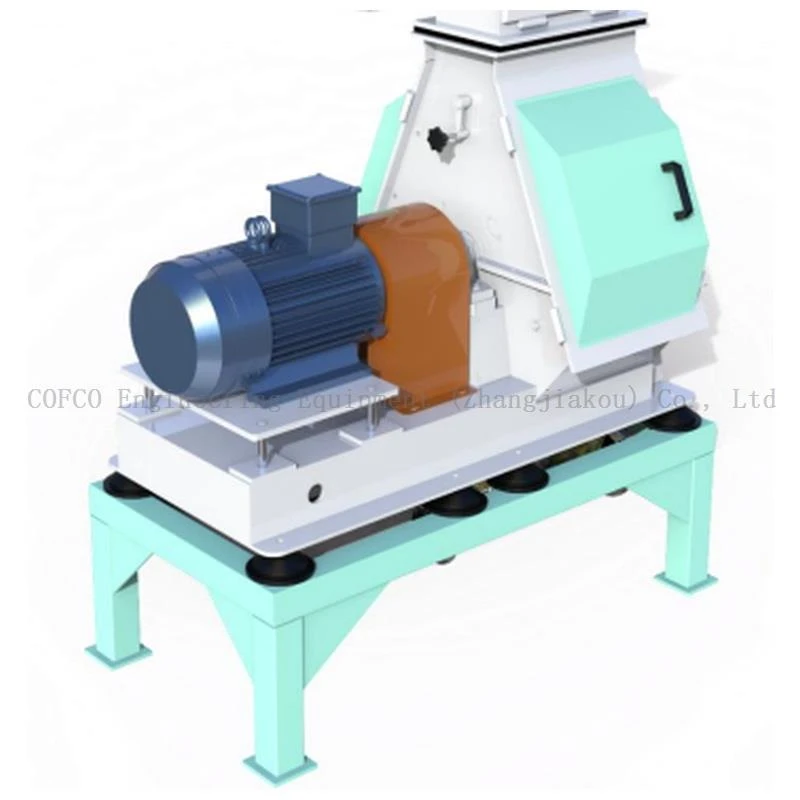
As a reliable feed mixing equipment supplier, we understand the diverse needs of our customers. We offer a wide range of feed mixing equipment with various capacity ranges to meet different production requirements. Whether you are a small – scale farmer looking for a compact batch mixer or a large – scale feed manufacturer in need of a high – capacity continuous mixer, we have the right solution for you.
Plansifter If you are interested in learning more about our feed mixing equipment or would like to discuss your specific needs, please contact us. Our team of experts is ready to assist you in finding the most suitable equipment for your feed production. We are committed to providing high – quality products and excellent customer service to help you achieve efficient and cost – effective feed production.
References
- Animal Feed Science and Technology: A comprehensive journal covering various aspects of animal feed production, including the technology and operation of feed mixing equipment.
- Feed Manufacturing Technology Guide: A handbook published by the Feed Industry Association, providing in – depth information on feed processing technologies and equipment selection.
COFCO Engineering Equipment (Zhangjiakou) Co., Ltd.
As one of the most professional feed mixing equipment manufacturers and suppliers in China, we also support customized service. Please feel free to wholesale advanced feed mixing equipment for sale here from our factory. Quality products and reasonable price are available.
Address: No.4 ZhongLiang Street, high-tech industrial development zone, Zhangjiakou, Hebei, PRC
E-mail: mayihui@cofco.com
WebSite: https://www.ceeflourmill.com/
