Hey there! As a supplier of mechanical parts, I’ve seen my fair share of problems with these little bits and bobs. Whether you’re a DIY enthusiast or a professional mechanic, troubleshooting mechanical parts can be a real headache. But don’t worry, I’m here to share some tips and tricks that’ll make your life a whole lot easier. Mechanical Parts
Understanding the Basics
First things first, you gotta have a basic understanding of how mechanical parts work. This means knowing what each part does and how it fits into the bigger picture. For example, if you’re working on a car engine, you need to know how the pistons, crankshaft, and valves all work together to make the engine run.
Take some time to study the parts you’re dealing with. You can find lots of information online, in repair manuals, or even by talking to other mechanics. The more you know, the better equipped you’ll be to troubleshoot problems.
Signs of Trouble
One of the key steps in troubleshooting mechanical parts is being able to recognize the signs of trouble. These signs can vary depending on the part and the system it’s a part of, but here are some common ones to look out for:
- Strange noises: Grinding, rattling, or squeaking sounds can all indicate a problem. For example, a grinding noise when you brake could mean your brake pads are worn out.
- Vibrations: Excessive vibrations can be a sign of a loose or damaged part. If your car shakes when you drive, it could be a problem with the wheels, suspension, or engine.
- Leakage: Fluid leaks are a big red flag. Whether it’s oil, coolant, or hydraulic fluid, a leak could mean there’s a crack or a loose seal in the system.
- Poor performance: If a part isn’t working as well as it should, that’s a sign of trouble. For example, if your lawn mower isn’t cutting grass as efficiently as it used to, it could be a problem with the blade or the engine.
Diagnostic Steps
Once you’ve identified the signs of trouble, it’s time to start diagnosing the problem. Here’s a step-by-step process you can follow:
- Gather information: Talk to the person who’s using the equipment or the vehicle. Find out when the problem started, what they were doing when it happened, and if there were any warning signs.
- Inspect the part: Take a close look at the part in question. Look for any obvious signs of damage, such as cracks, breaks, or wear and tear. Check the connections and make sure everything is properly tightened.
- Test the part: If possible, test the part to see if it’s working properly. This could involve running the equipment or using a diagnostic tool to check the part’s performance.
- Eliminate possibilities: Based on your inspection and testing, start eliminating possible causes of the problem. For example, if you’ve ruled out a problem with the electrical system, you can focus on the mechanical parts.
- Consult an expert: If you’re still having trouble diagnosing the problem, don’t be afraid to consult an expert. This could be a professional mechanic, an engineer, or someone with more experience working with the type of equipment you’re dealing with.
Common Problems and Solutions
Now, let’s take a look at some common problems with mechanical parts and how to solve them.
Worn-out parts
One of the most common problems with mechanical parts is wear and tear. Over time, parts can become worn out due to friction, heat, and other factors. This can cause them to malfunction or break down.
The solution to this problem is to replace the worn-out part. When replacing a part, make sure you use a high-quality replacement part that’s designed to fit your equipment. This will help ensure that the part works properly and lasts a long time.
Loose connections
Another common problem is loose connections. When parts are not properly tightened, they can come loose over time, causing vibrations, noises, and other problems.
To fix this problem, simply tighten the connections. Make sure you use the proper tools and tighten the connections to the recommended torque specifications. If a part is damaged or stripped, you may need to replace it.
Contamination
Contamination can also cause problems with mechanical parts. Dust, dirt, and other debris can get into the parts and cause them to malfunction. This is especially common in parts that are exposed to the elements, such as engines and transmissions.
To prevent contamination, make sure you keep your equipment clean. Regularly clean the parts and use protective covers to keep dirt and debris out. If a part is already contaminated, you may need to clean it or replace it.
Incorrect installation
Sometimes, problems with mechanical parts are caused by incorrect installation. If a part is not installed correctly, it may not work properly or it could cause other problems in the system.
To avoid this problem, make sure you follow the installation instructions carefully. If you’re not sure how to install a part, consult a professional or a repair manual.
Preventive Maintenance
The best way to avoid problems with mechanical parts is to practice preventive maintenance. This means taking steps to keep your equipment in good condition and preventing problems from occurring in the first place.
Here are some tips for preventive maintenance:
- Follow the manufacturer’s recommendations: The manufacturer of your equipment will usually provide a maintenance schedule and recommendations for how to take care of the equipment. Make sure you follow these recommendations to keep your equipment in good condition.
- Regularly inspect and clean your equipment: Take the time to inspect your equipment regularly for any signs of wear and tear, damage, or contamination. Clean the parts and remove any debris to prevent problems from occurring.
- Lubricate moving parts: Lubrication is essential for keeping moving parts working smoothly. Make sure you lubricate the parts according to the manufacturer’s recommendations.
- Replace parts before they fail: If you notice that a part is starting to wear out or show signs of damage, replace it before it fails. This will help prevent more serious problems from occurring.
Conclusion
Well, that’s it for my tips on troubleshooting problems with mechanical parts. Remember, having a basic understanding of how mechanical parts work, being able to recognize the signs of trouble, and following a systematic diagnostic process are all key to solving problems quickly and effectively.
And don’t forget about preventive maintenance! Taking steps to keep your equipment in good condition will help you avoid problems in the first place.
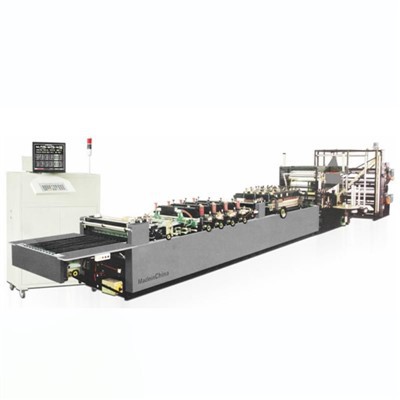
Bag Making Machine If you’re in the market for high-quality mechanical parts, I’d love to hear from you. Whether you’re working on a small DIY project or a large industrial application, we’ve got the parts you need. Contact us today to start a conversation about your procurement needs.
References
- "Automotive Technology: A Systems Approach" by James D. Halderman
- "Machinery’s Handbook" by Industrial Press Inc.
- "Mechanical Engineering Design" by Joseph E. Shigley, Charles R. Mischke, and Richard Gordon Budynas
Ruian Huawei Machinery Co., Ltd.
As one of the most professional mechanical parts suppliers in China, we’re featured by quality products and low price. Please rest assured to buy discount mechanical parts made in China here from our factory. Also, quotation is available.
Address: No. 1, Building 2, Jingye Road, Dongshan Street, Rui’an City, Zhejiang Province
E-mail: 13695753569@163.com
WebSite: https://www.hw-machines.com/
