Fiberglass mesh has long been a staple in various construction and building applications, but its suitability for roofing is a topic that often sparks debate. As a supplier of high – quality fiberglass mesh, I’ve had the opportunity to see firsthand how this material can be effectively used in roofing, and I’m excited to share my insights. Fiberglass Mesh
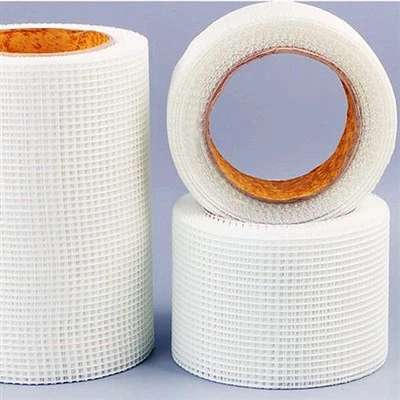
Understanding Fiberglass Mesh
Before delving into its use in roofing, it’s essential to understand what fiberglass mesh is. Fiberglass mesh is made from fine glass fibers woven together to form a flexible, yet strong, fabric – like material. These glass fibers are typically coated with a polymer resin to enhance their durability and resistance to environmental factors.
The properties of fiberglass mesh make it an attractive option for many construction applications. It has high tensile strength, which means it can withstand significant pulling forces without breaking. It is also resistant to corrosion, rot, and chemicals, making it suitable for use in harsh environments. Additionally, fiberglass mesh is lightweight, which can reduce the overall weight of a roofing system.
Benefits of Using Fiberglass Mesh in Roofing
Crack Prevention
One of the primary benefits of using fiberglass mesh in roofing is its ability to prevent cracks. When applied beneath roofing materials such as asphalt shingles or tile, the mesh acts as a reinforcement layer. It helps distribute the stress caused by temperature changes, settling of the building, or other external forces. As the roof expands and contracts, the mesh holds the roofing material together, preventing cracks from forming and spreading.
For example, in areas with extreme temperature fluctuations, the roof can expand during hot days and contract during cold nights. Without proper reinforcement, this constant movement can cause the roofing material to crack. Fiberglass mesh provides the necessary support to minimize the impact of these temperature – related stresses.
Improved Adhesion
Fiberglass mesh also improves the adhesion of roofing materials. When used in conjunction with roofing adhesives or underlayments, the mesh creates a stronger bond between the different layers of the roofing system. This enhanced adhesion helps prevent the roofing material from lifting or peeling off, especially in high – wind areas.
In a roofing system, the underlayment is often the first layer installed over the roof deck. Fiberglass mesh can be embedded in the underlayment, providing a better surface for the subsequent layers, such as shingles or tiles, to adhere to. This results in a more stable and long – lasting roofing system.
Water Resistance
Another advantage of using fiberglass mesh in roofing is its contribution to water resistance. The mesh acts as a barrier that helps prevent water from seeping through the roofing material. When water hits the roof, the mesh helps to disperse the water evenly, reducing the risk of water pooling and subsequent leaks.
In addition, the polymer coating on the fiberglass mesh further enhances its water – repellent properties. This coating helps keep the mesh dry and prevents water from penetrating the underlying layers of the roofing system.
Types of Fiberglass Mesh for Roofing
There are different types of fiberglass mesh available for roofing applications, each with its own unique characteristics.
Standard Fiberglass Mesh
Standard fiberglass mesh is the most commonly used type for roofing. It has a basic grid pattern and is typically made from E – glass fibers. This type of mesh is suitable for general roofing applications, providing good reinforcement and crack prevention.
Heavy – Duty Fiberglass Mesh
For more demanding roofing projects, heavy – duty fiberglass mesh is a better option. It has a higher thread count and thicker fibers, which provide greater strength and durability. Heavy – duty mesh is often used in commercial roofing or in areas with high wind or seismic activity.
Self – Adhesive Fiberglass Mesh
Self – adhesive fiberglass mesh is designed for easy installation. It comes with a pre – applied adhesive on one side, which allows it to be quickly and easily attached to the roofing surface. This type of mesh is ideal for DIY roofing projects or for situations where time is of the essence.
Application Process
The application of fiberglass mesh in roofing involves several steps.
First, the roof surface must be clean and dry. Any debris, dirt, or old roofing material should be removed to ensure proper adhesion of the mesh. Once the surface is prepared, the fiberglass mesh is unrolled and laid over the roof. It should be cut to fit the dimensions of the roof area, leaving a small overlap at the edges.
Next, the mesh is secured to the roof using roofing adhesives or nails. If using adhesives, a thin layer is applied to the roof surface, and the mesh is pressed firmly into the adhesive. If using nails, they should be placed at regular intervals along the edges and across the mesh to hold it in place.
After the mesh is installed, the roofing material, such as shingles or tiles, can be applied over the top. The mesh provides a stable base for the roofing material, ensuring a smooth and long – lasting installation.
Case Studies
To illustrate the effectiveness of fiberglass mesh in roofing, let’s look at a few case studies.
In a residential roofing project in a region with frequent hailstorms, fiberglass mesh was installed beneath the asphalt shingles. The mesh helped to absorb the impact of the hailstones, preventing them from cracking the shingles. As a result, the roof remained in good condition even after several severe hailstorms, saving the homeowners from costly repairs.
In a commercial building project, heavy – duty fiberglass mesh was used in the flat roof system. The building was located in an area with high wind speeds, and the mesh provided the necessary reinforcement to prevent the roofing membrane from being lifted by the wind. The roof has remained intact for several years, demonstrating the long – term effectiveness of fiberglass mesh in challenging environments.
Potential Drawbacks
While fiberglass mesh offers many benefits for roofing, it’s important to be aware of some potential drawbacks.
One issue is the cost. Fiberglass mesh can be more expensive than some other roofing reinforcement materials. However, the long – term savings in terms of reduced maintenance and repair costs often outweigh the initial investment.
Another potential drawback is the installation process. While it is not overly complicated, it does require some skill and knowledge. Improper installation can lead to issues such as poor adhesion or uneven coverage, which can affect the performance of the roofing system.
Conclusion

In conclusion, fiberglass mesh can be an excellent choice for roofing applications. Its ability to prevent cracks, improve adhesion, and enhance water resistance makes it a valuable addition to any roofing system. Whether you’re working on a residential or commercial roofing project, fiberglass mesh can provide the reinforcement and durability needed to ensure a long – lasting roof.
Fiberglass Tape As a supplier of high – quality fiberglass mesh, I’m confident in the performance of our products. If you’re considering using fiberglass mesh for your next roofing project, I encourage you to reach out to me for more information. We can discuss your specific needs and provide you with the best solution for your roofing requirements. Contact me to start a conversation about how our fiberglass mesh can benefit your roofing project.
References
- Building Materials Handbook: A Comprehensive Guide to Construction Materials.
- Journal of Roofing Technology and Research.
- National Roofing Contractors Association Publications.
Shan County Shannong Glass Fiber Co., Ltd.
We’re well-known as one of the leading fiberglass mesh manufacturers in China. Please feel free to wholesale high quality fiberglass mesh for sale here from our factory. For more information, contact us now.
Address: No.084, Chunshuyuan Village, Dongzhuang Administrative Village, Nancheng Street Office, Shan County, Heze City, Shandong Province, China
E-mail: alicefu@shannongfiberglass.com
WebSite: https://www.snfiberglass.com/
